Palau is an island nation in the Pacific and one of the most spectacular destinations in Micronesia. Turquoise lagoons, dense rainforests, and countless small islands shape the country’s landscape.
Table of Contents
Show more
Map of the Highlights
How to get to Palau?
Palau has an international airport near Koror with the code ROR. Compared to many other islands in Micronesia, Palau is relatively easy to reach. There are regular flights from:
- Guam
- Hong Kong
- Macau
- Manila
- Pohnpei
- Taipei
- Tokyo
- Yap
However, none of these routes operate daily. Flights usually run only a few times per week.
Do you need a visa?
Only citizens of Bangladesh and Myanmar need a visa. All other travelers either receive a visa on arrival or can enter visa free.
EU citizens, as well as citizens of Iceland, Norway, Switzerland, Liechtenstein and the US, for example, do not need a visa. You can find an overview of the current visa requirements here.
Important: Every traveler must fill out an entry form within three days before arrival. This generates a QR code that is required at passport control. You can find the form here.
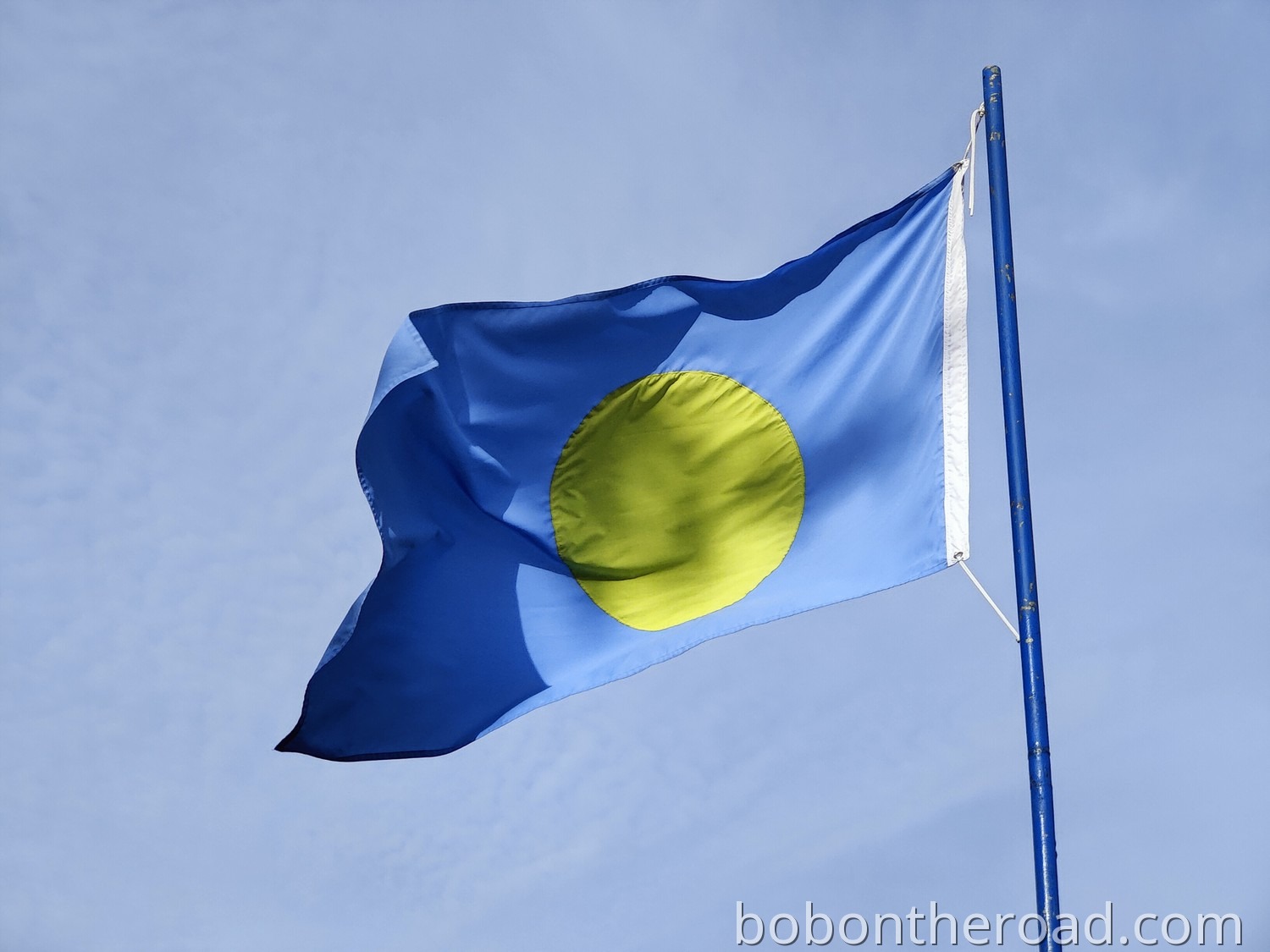
Climate in Palau
Palau’s climate is tropical and hot. With an average of 224 rainy days per year, Palau is one of the rainiest countries in the world. The months from June to August have the most rainy days, but that does not mean the other months are dry. On average, it also rains every other day outside that period.
Temperatures are very consistent year round and usually reach 30 to 31°C during the day. That’s why Palau does not really have a classic “bad season” and can generally be visited all year.
Accommodation
Palau has surprisingly many hotels and places to stay. Most of them are located in Koror, the country’s largest town. Hotels can be booked, for example, via Booking.com. However, many accommodations sell out early, so you should plan ahead.
How to get from A to B?
Since 2024, there has been a bus line in Koror. The rest of the islands, however, can only be reached by car.
Taxis
There are taxis in Koror, but they do not drive around the city looking for passengers. Usually you have to order a taxi by phone.
Rental car
The easiest way to explore Palau is by rental car. Cars can be rented directly at the airport or in Koror. There are several local providers as well as international companies such as Hertz or Budget. If you want to now more about driving in Palau check this out: Driving in Palau
Important: There are no taxis at the airport, so you need to arrange your transfer to Koror in advance.
What can you do?
Rock Islands
The Rock Islands, also called the Chelbacheb Islands, are an archipelago in Palau between Koror and Peleliu. The area stretches for about 40 kilometers and has been a UNESCO World Natural Heritage Site since 2012.
Entry to the Rock Islands national park costs 50 USD per person. The permit is valid for five days and can usually be paid directly when booking tours.
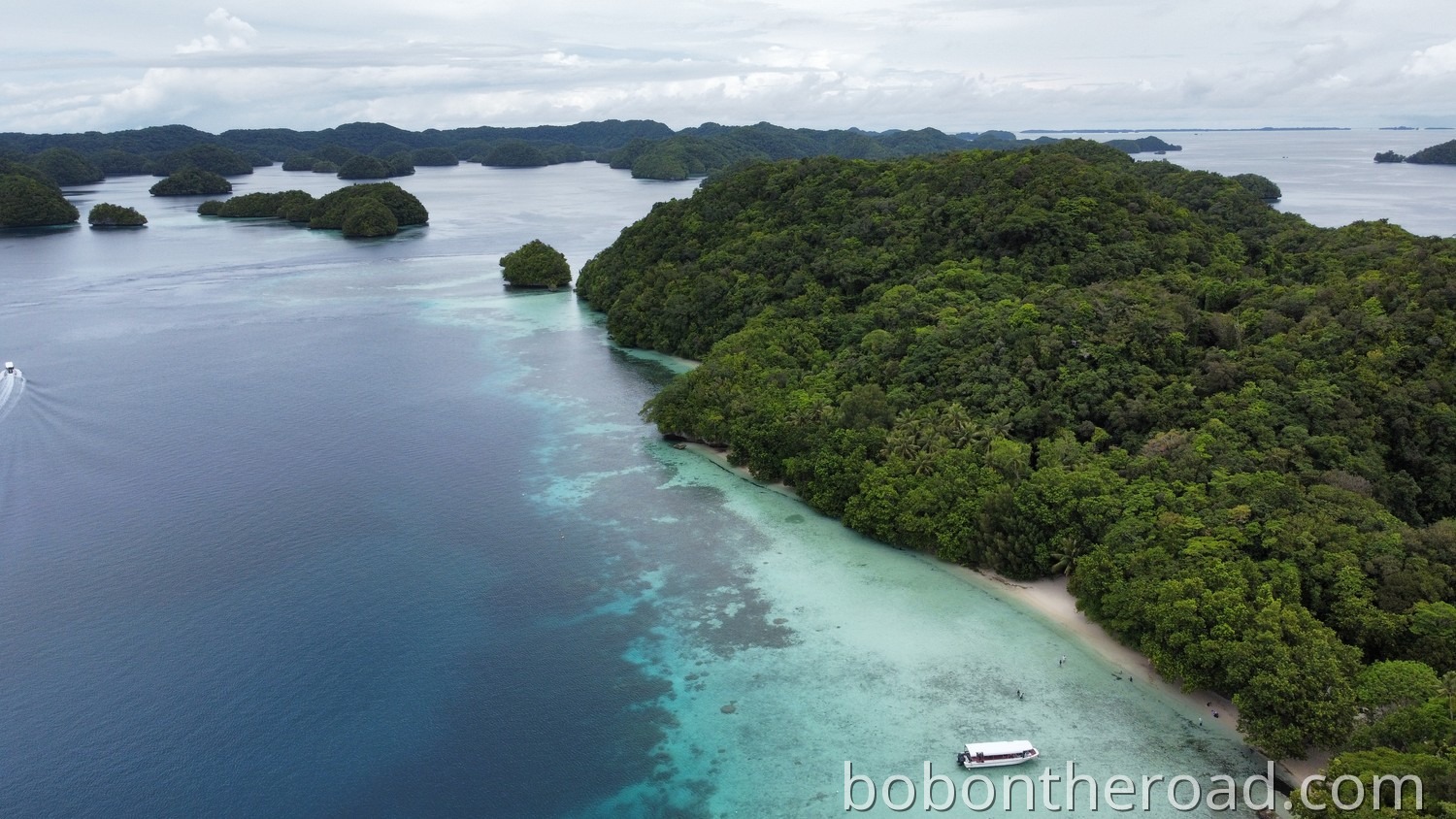
Milky Way
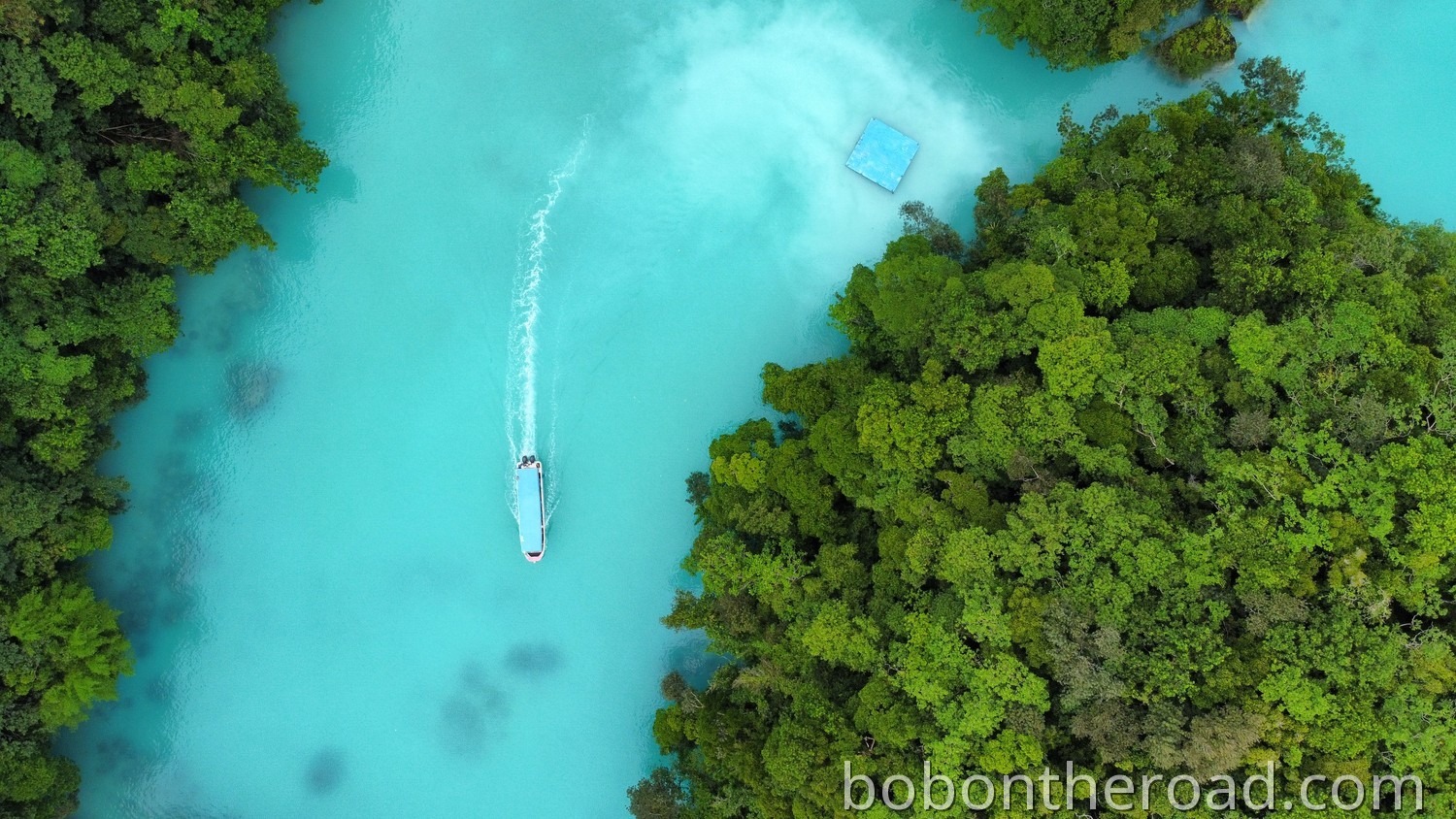
One of the main attractions in Palau is Milky Way Bay, a small lagoon in the Rocky Islands with intensely turquoise water. The color comes from fine limestone particles that are stirred up by currents.
Yes, this photo was taken exactly like this and has not been edited.
The mud is rich in minerals and is used as a natural face mask. That’s why covering yourself in the mud is a must do for many visitors to Palau.
Diving and snorkeling
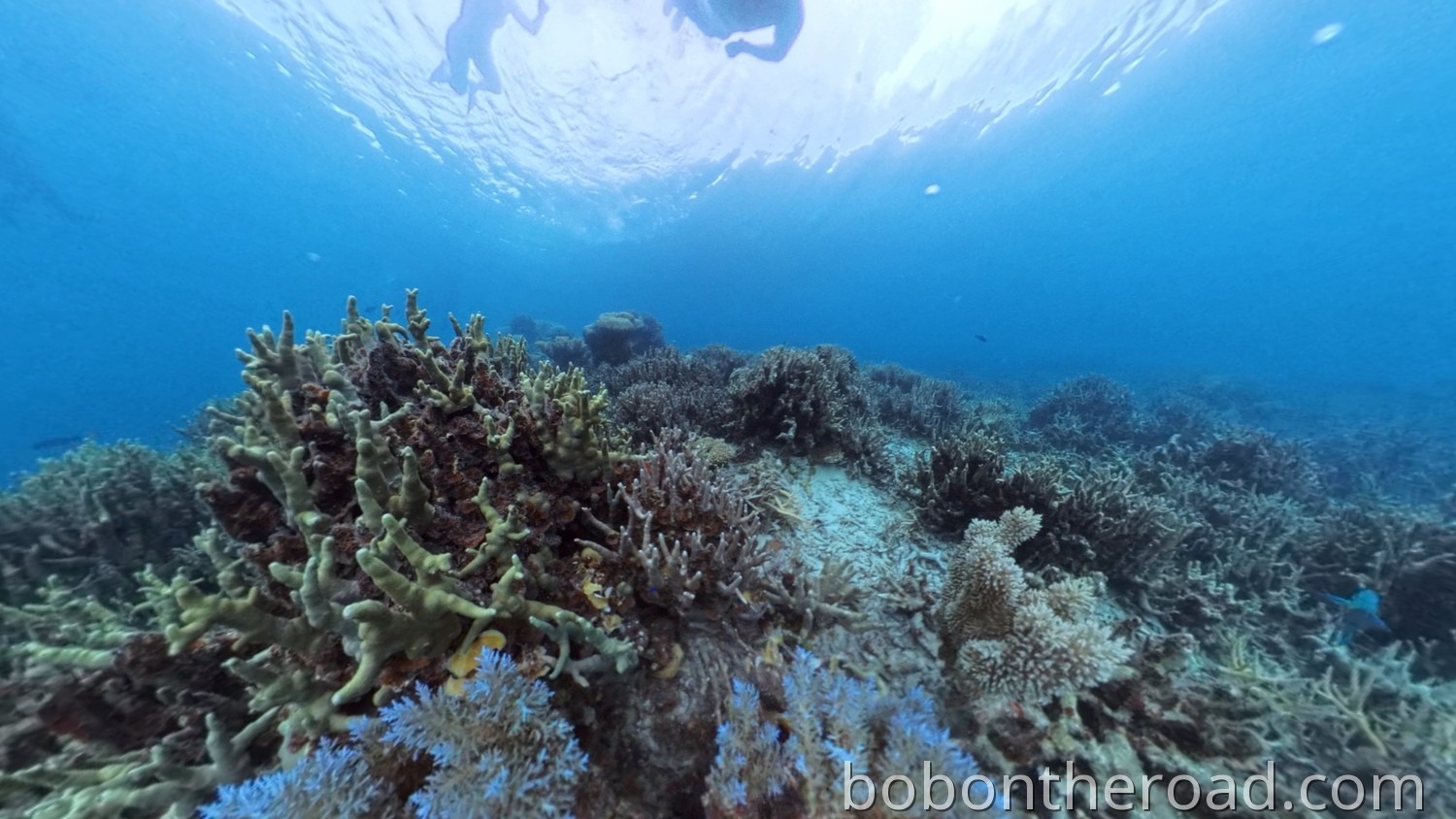
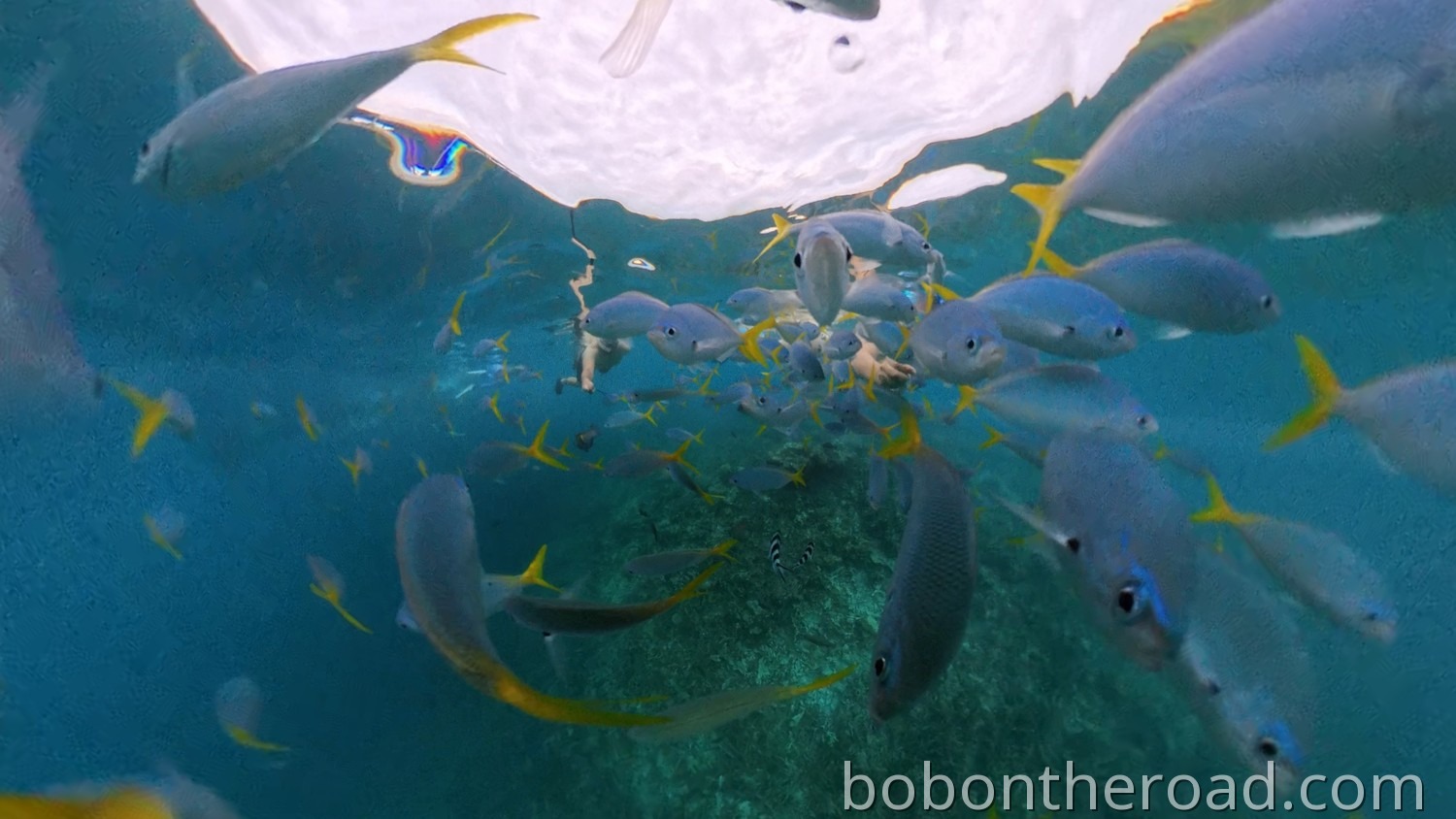
The Rocky Islands are a paradise for divers and snorkelers. The underwater world around the coral reefs is impressive, and there are also several shipwrecks you can explore.
Jellyfish Lake
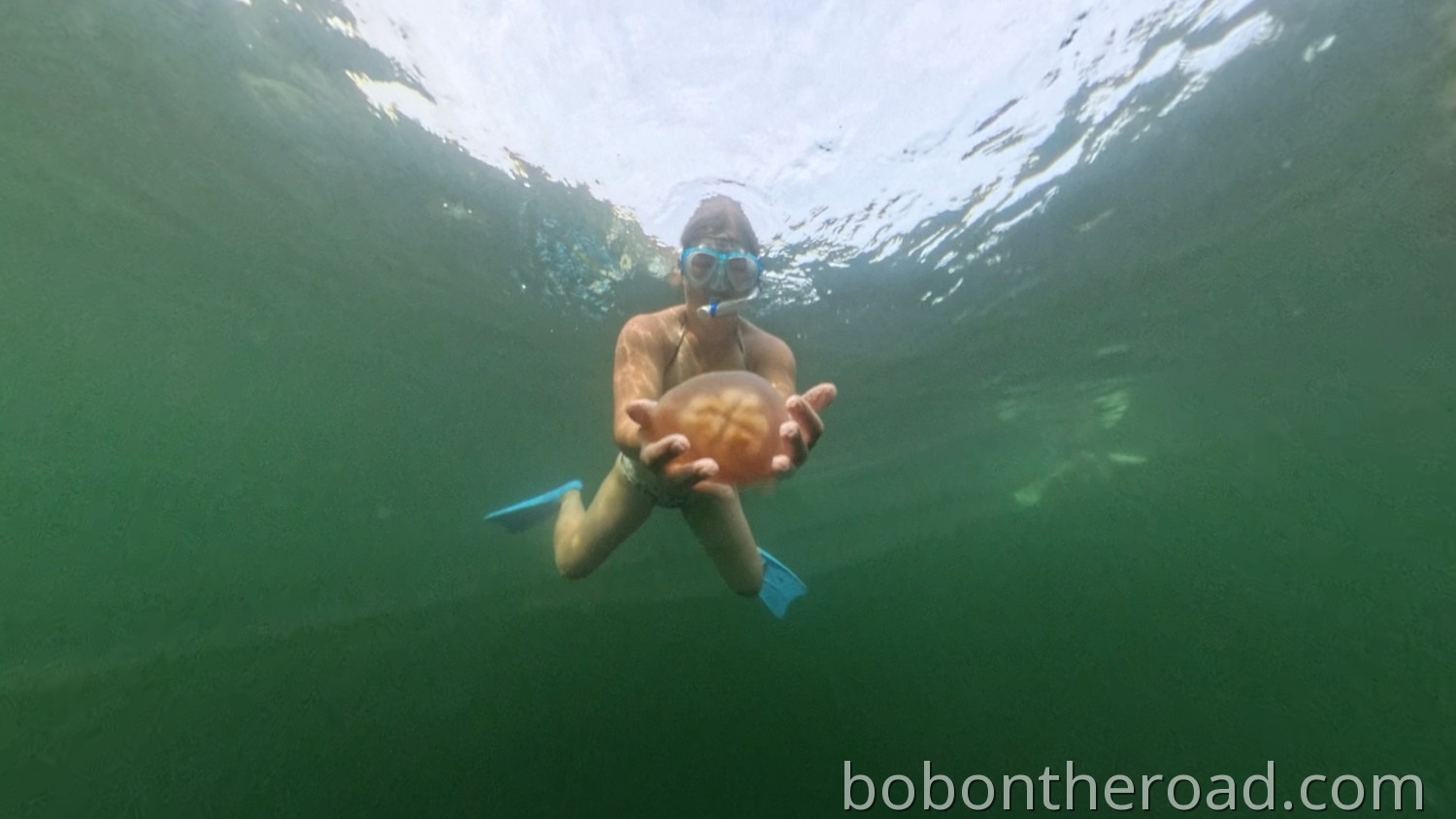
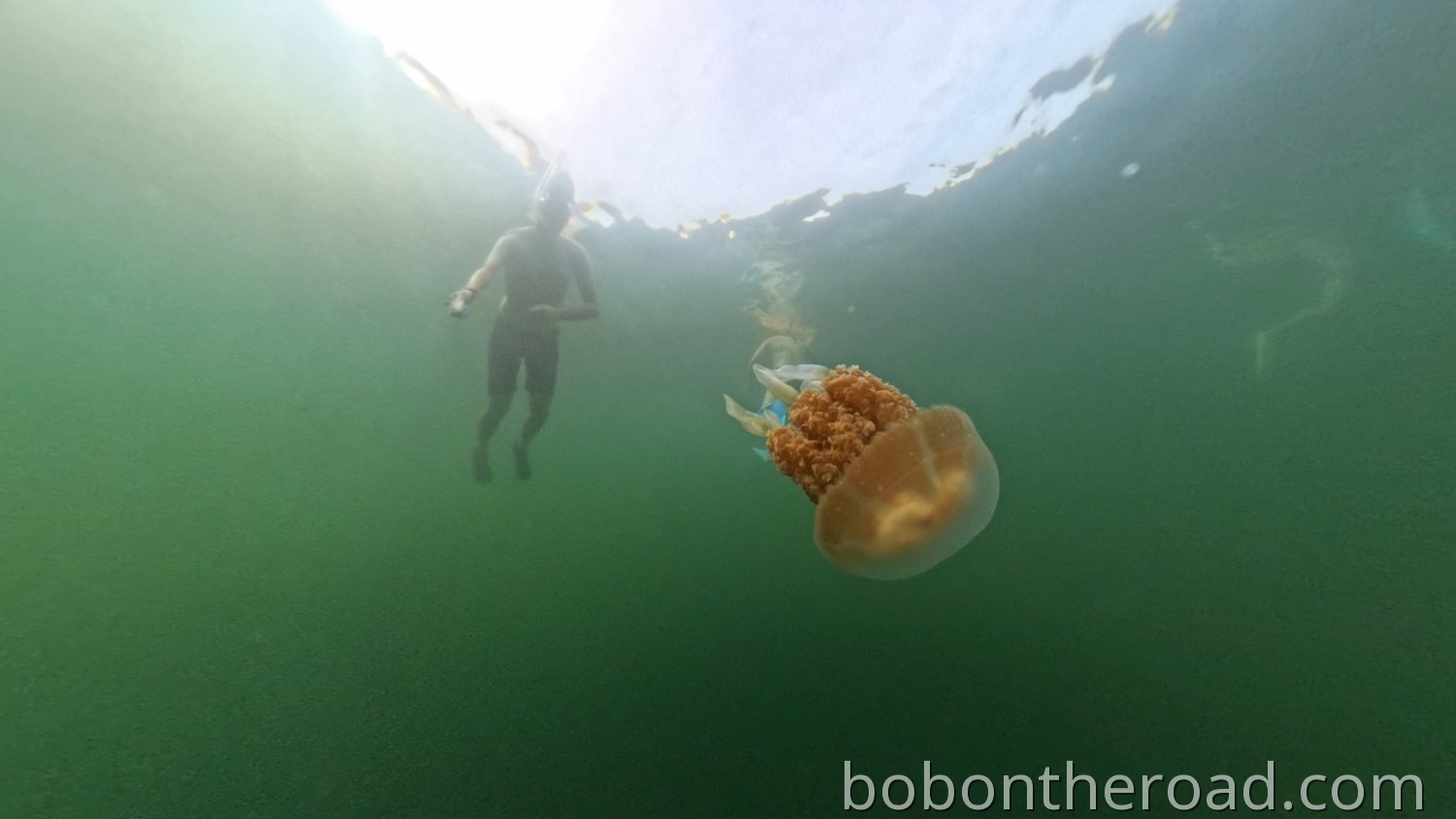
A lake full of jellyfish does not sound like a place you would willingly jump into. But the jellyfish have lived in isolation here for thousands of years and have largely lost their stinging cells. That means you can touch them without problems.
There are two types of jellyfish in the lake, yellow and almost transparent. The population fluctuates greatly and depends on many factors. In the past it has declined drastically several times, which led to the lake being temporarily closed to tourists.
A separate permit is required for Jellyfish Lake and also costs 50 USD per person.
When we visited, there were almost only pale jellyfish and only a few yellow ones like you see in many photos.
Shark City
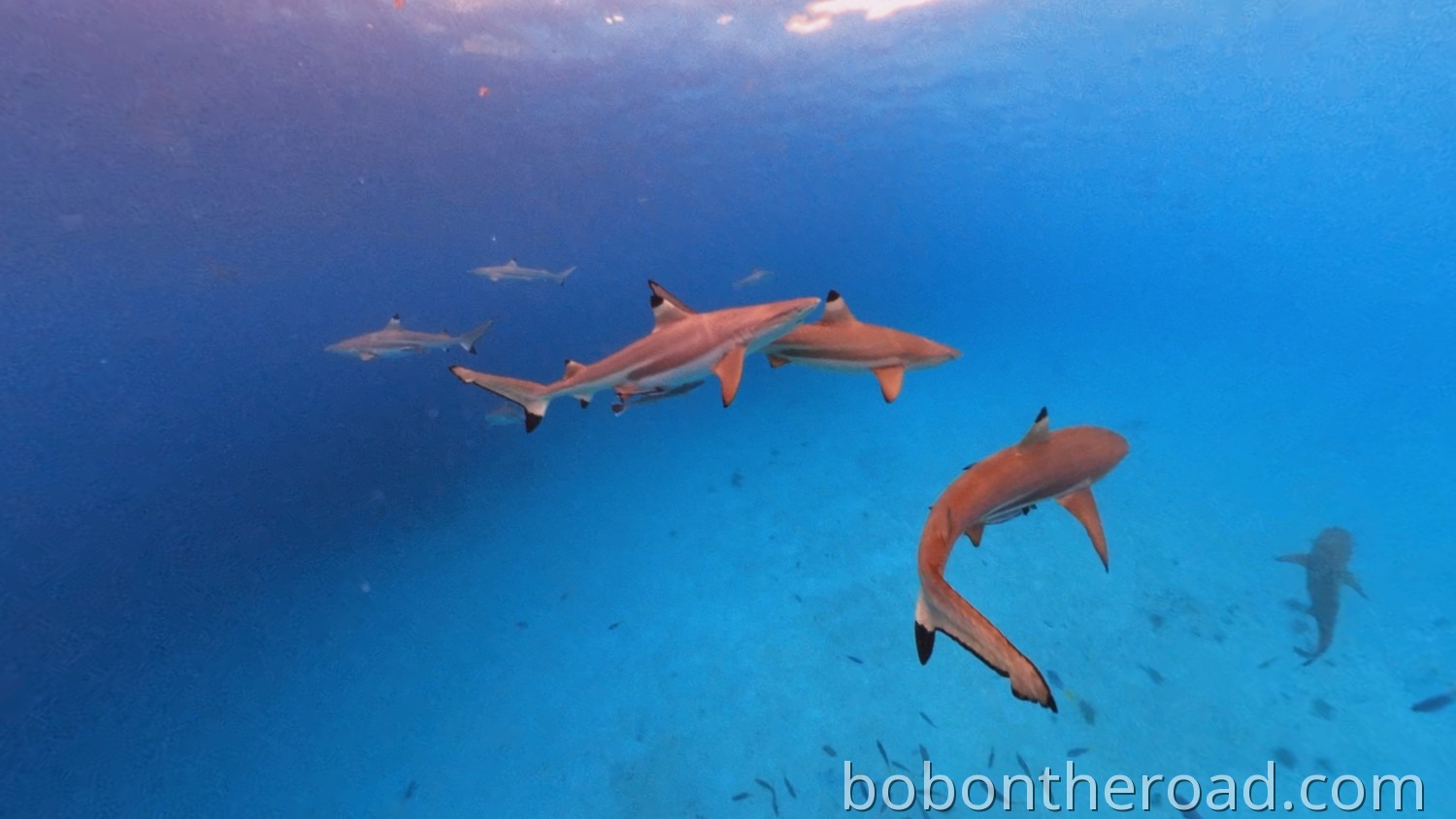
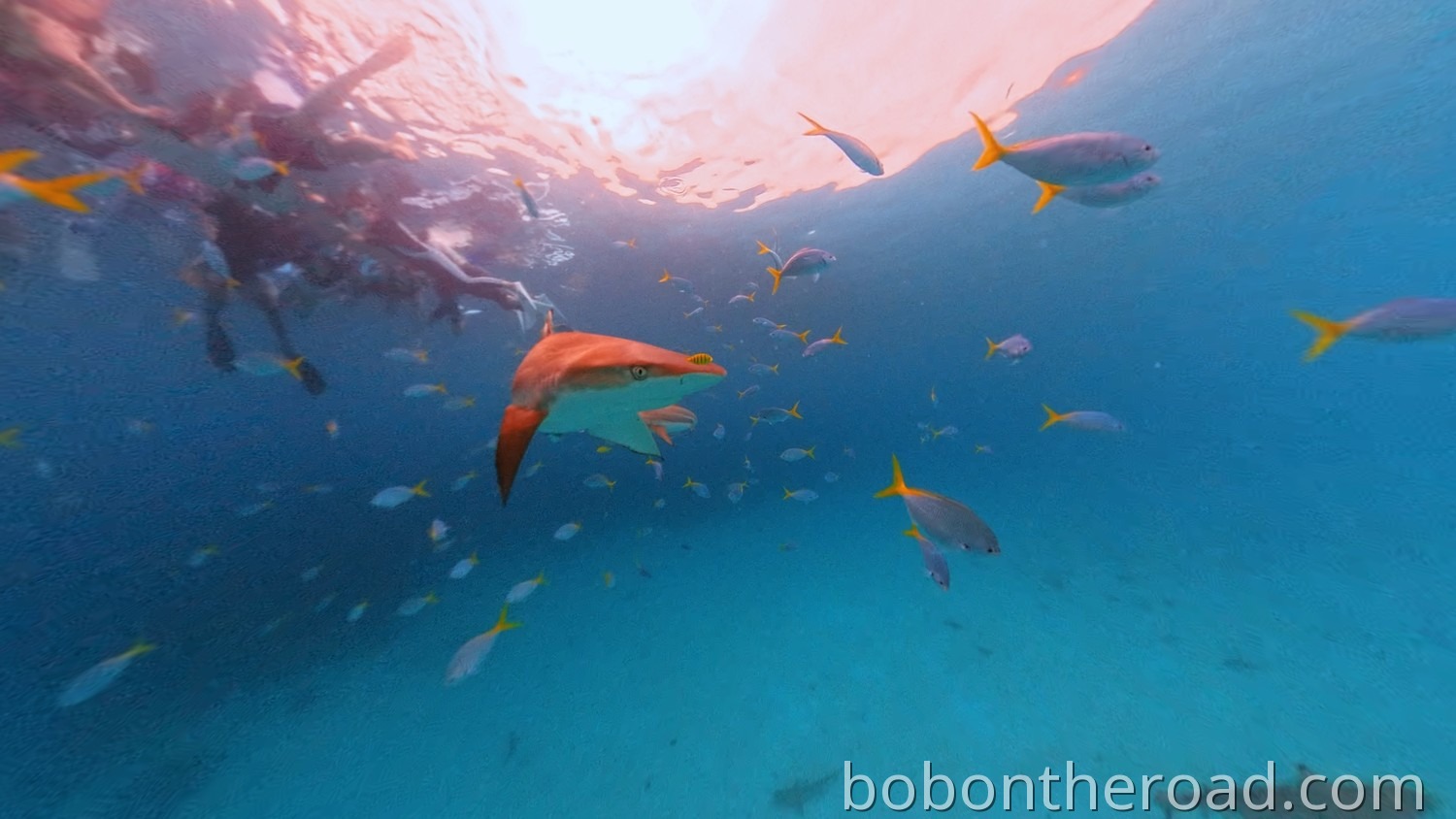
Shark City is the name of an area where you often see blacktip reef sharks. These sharks are considered shy and are usually harmless to humans. They typically grow to about 1.5 meters and weigh around 20 kilos. They mainly feed on small fish and crustaceans.
In general they are harmless, but there have been occasional bite injuries, mostly on arms or legs. A good tip is to keep your arms close to your body since humans are not part of these sharks’ prey due to their size.
Scenic flight
Not cheap, but probably an unforgettable experience: a scenic flight over Palau and the Rocky Islands. Smile Air offers such flights. The website is in Japanese, but you can find it here.
We didn’t do a flight, but we’re pretty sure it would be worth it.
Airai Bai
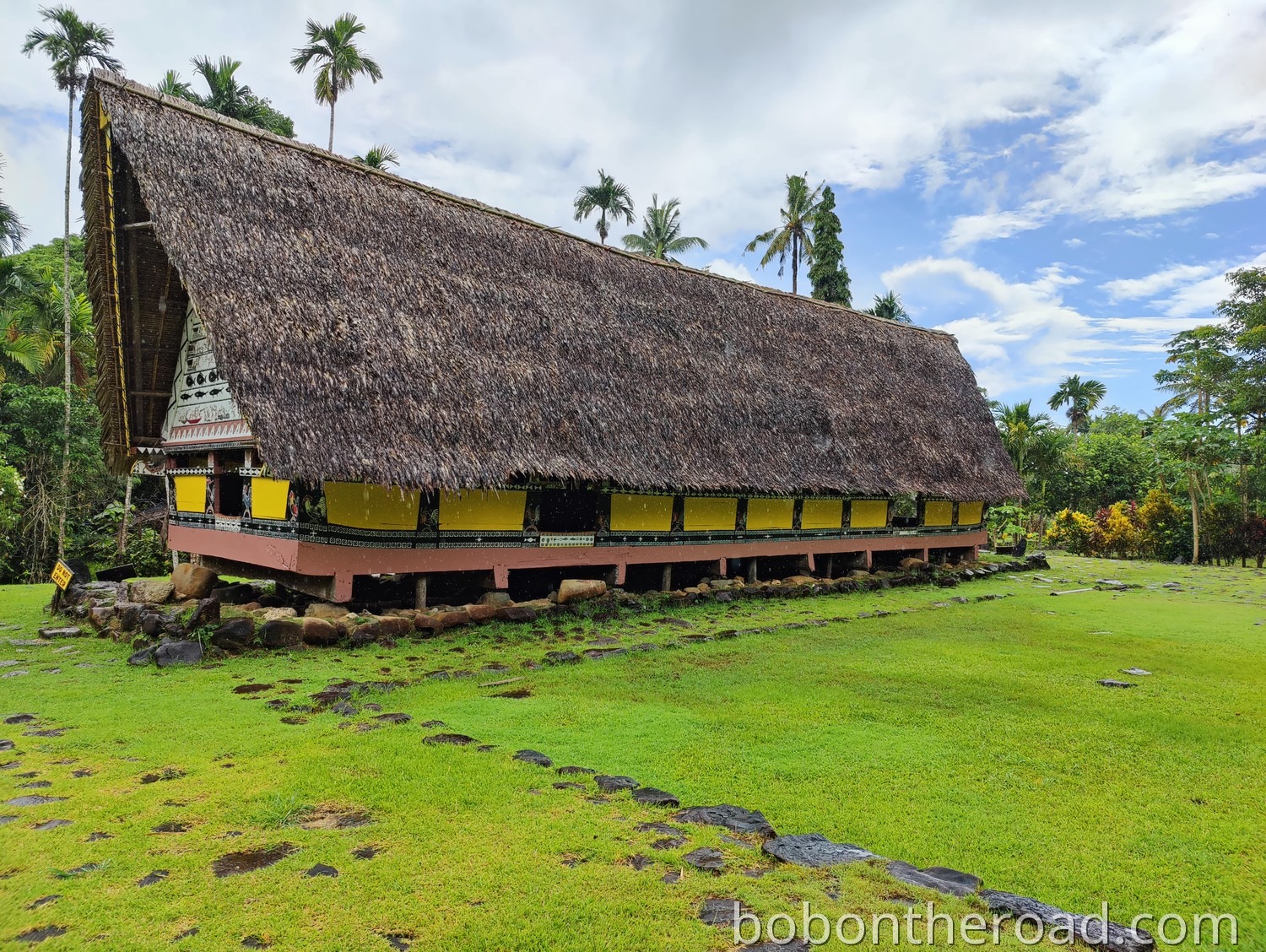
A bai is a traditional meeting house for clan chiefs in Palau. Important decisions were made in these buildings. They usually stand on stone platforms and are beautifully painted, with many motifs telling entire stories.
Airai is historically one of Palau’s most significant regions, which is why the bai in Airai is especially well known.
Capitol
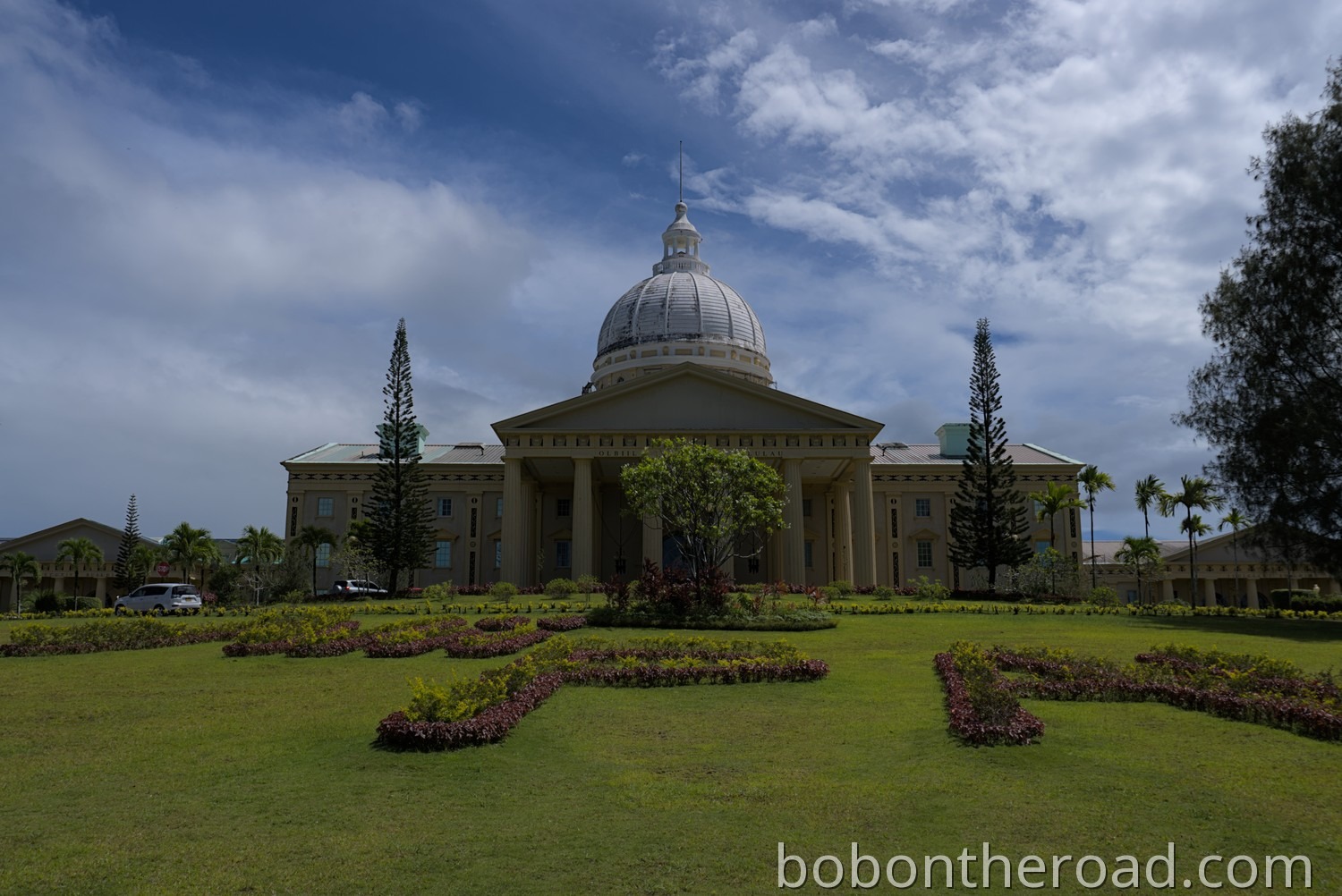
Palau’s capitol is located in Ngerulmud, the capital of the country. Ngerulmud has only around 270 residents, making it the smallest capital city in the world. Although Palau became independent in 1994, the capitol building was only completed in 2006. At the same time, the capital was moved from Koror to Ngerulmud.
Ngardmau Waterfall
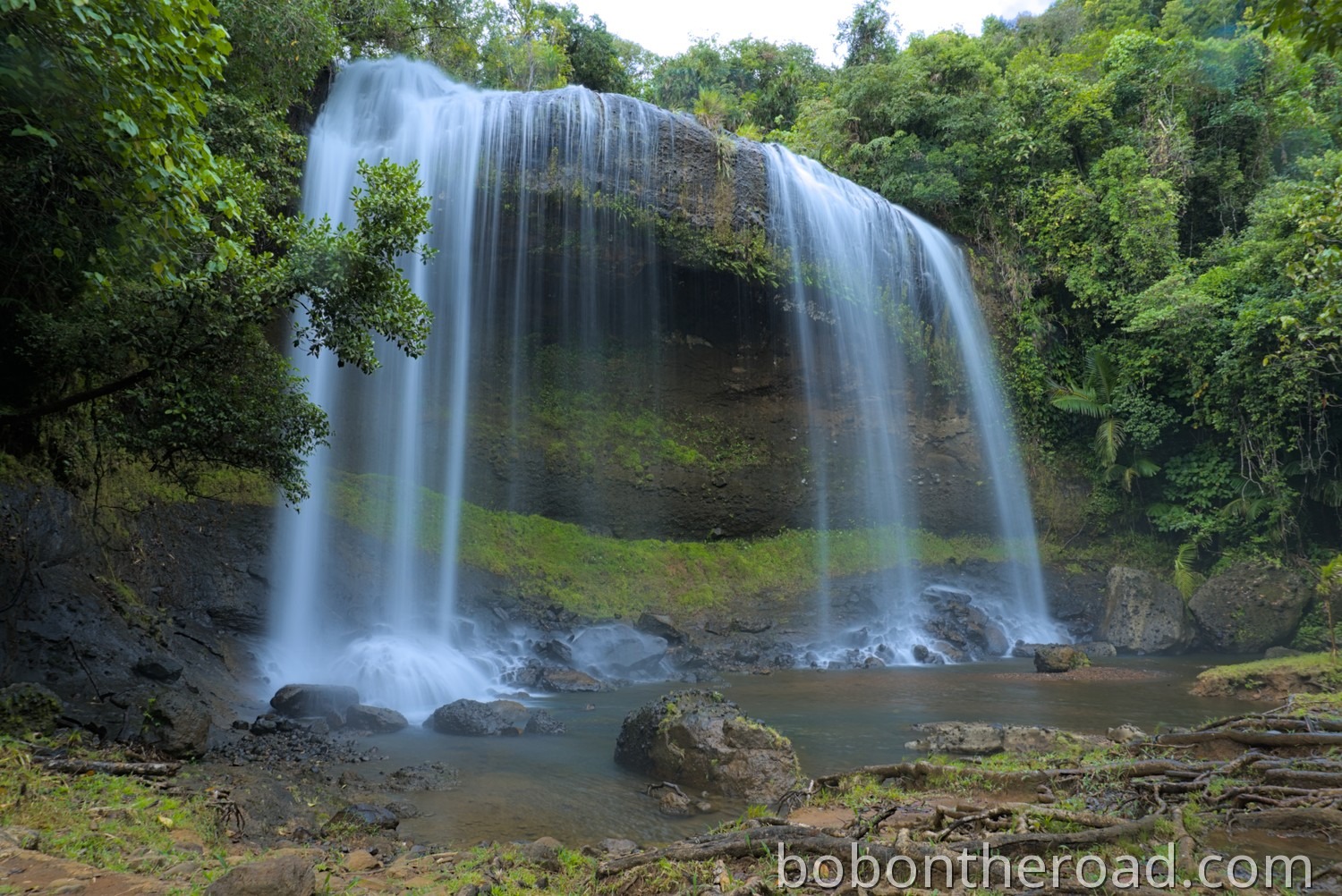
Ngardmau Waterfall is Palau’s largest waterfall and lies deep in the rainforest. It can only be reached on foot. From the parking area, the trail is about 1.5 kilometers through the jungle over rocks and roots. After rainfall, the trail can be very slippery. The hike to the waterfall is mostly downhill, but the way back is tough, because the high humidity and 30°C make it a sweaty climb.
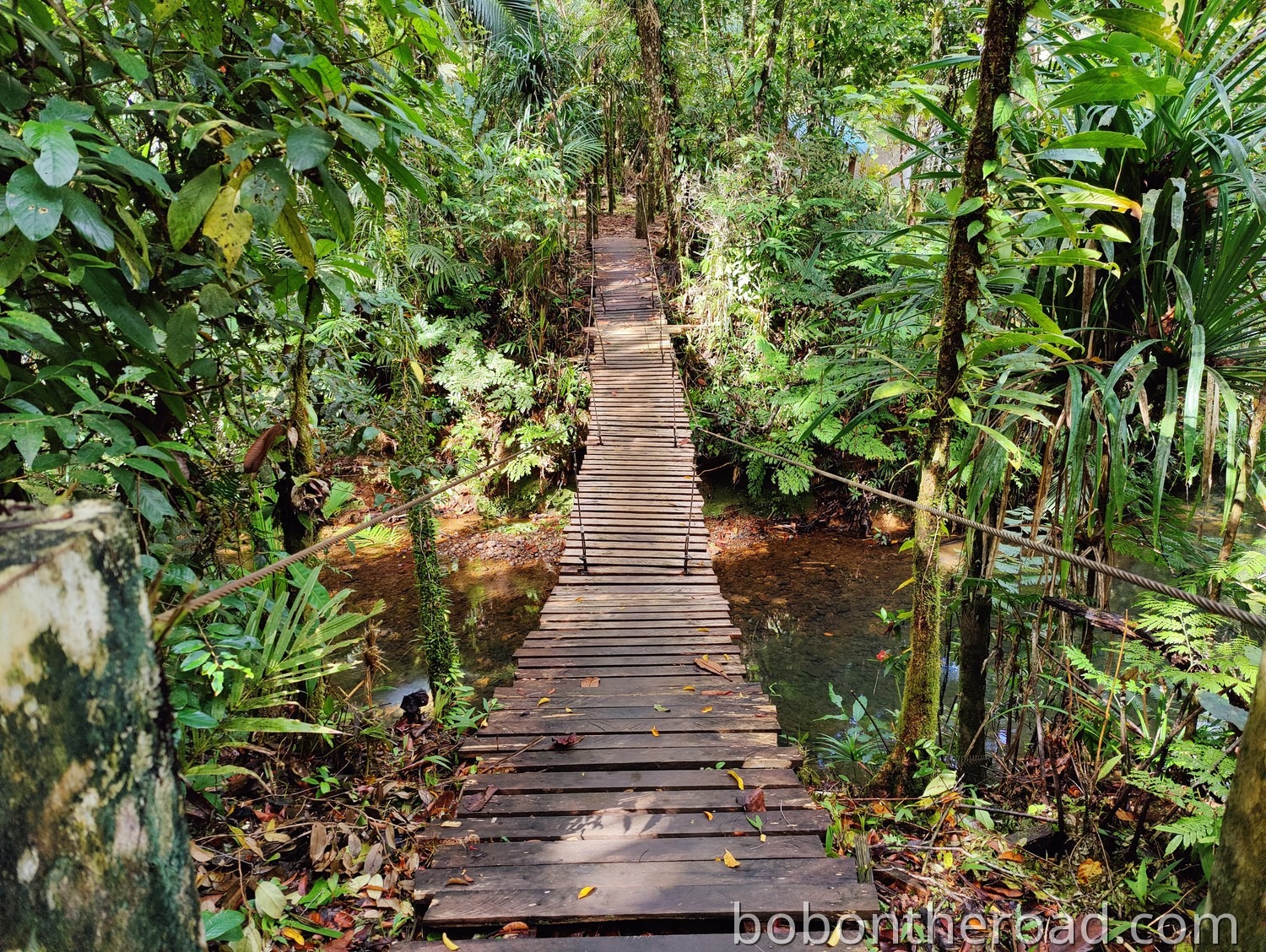
Entrance fee: 10 USD per person
Old locomotive
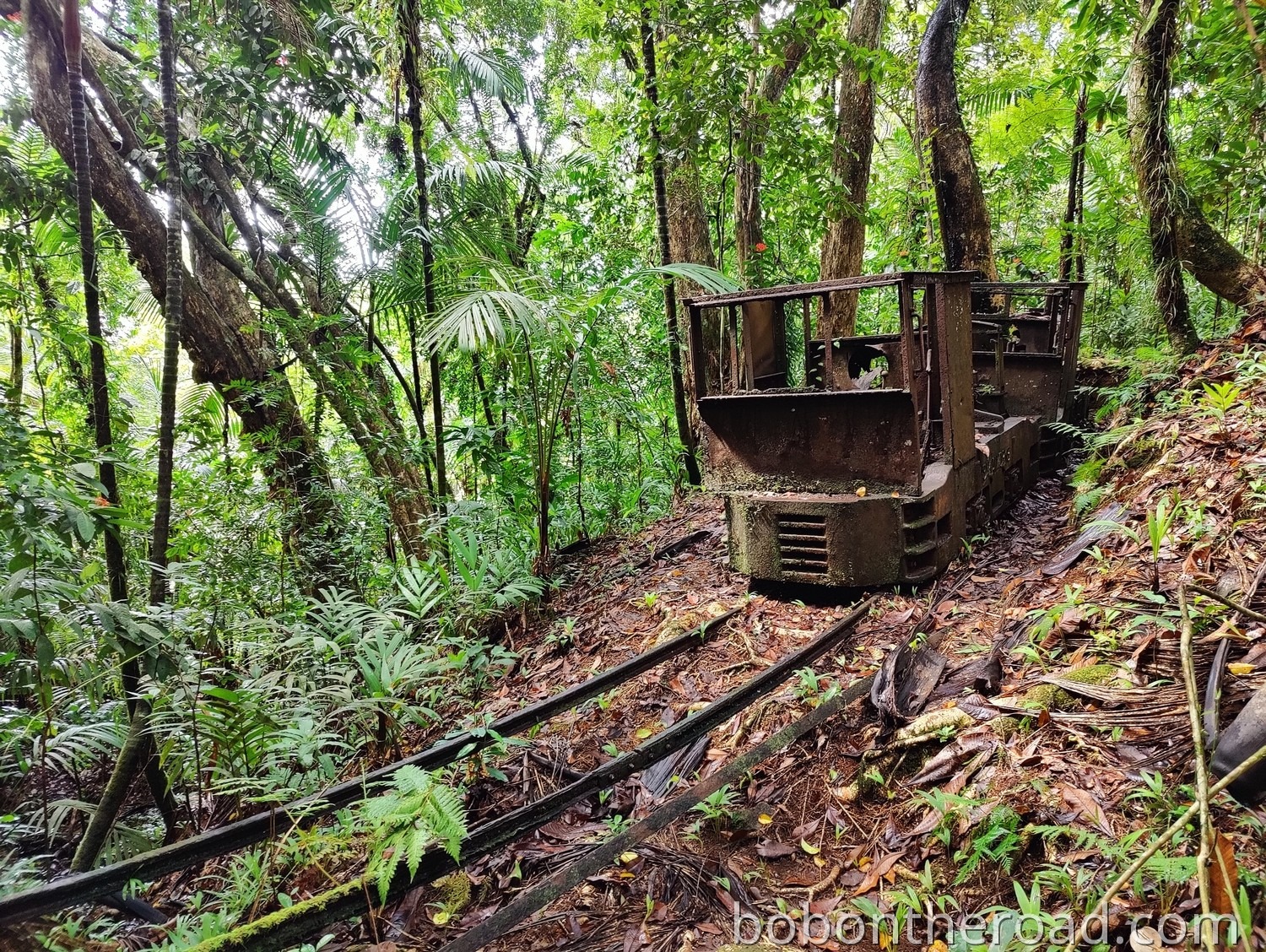
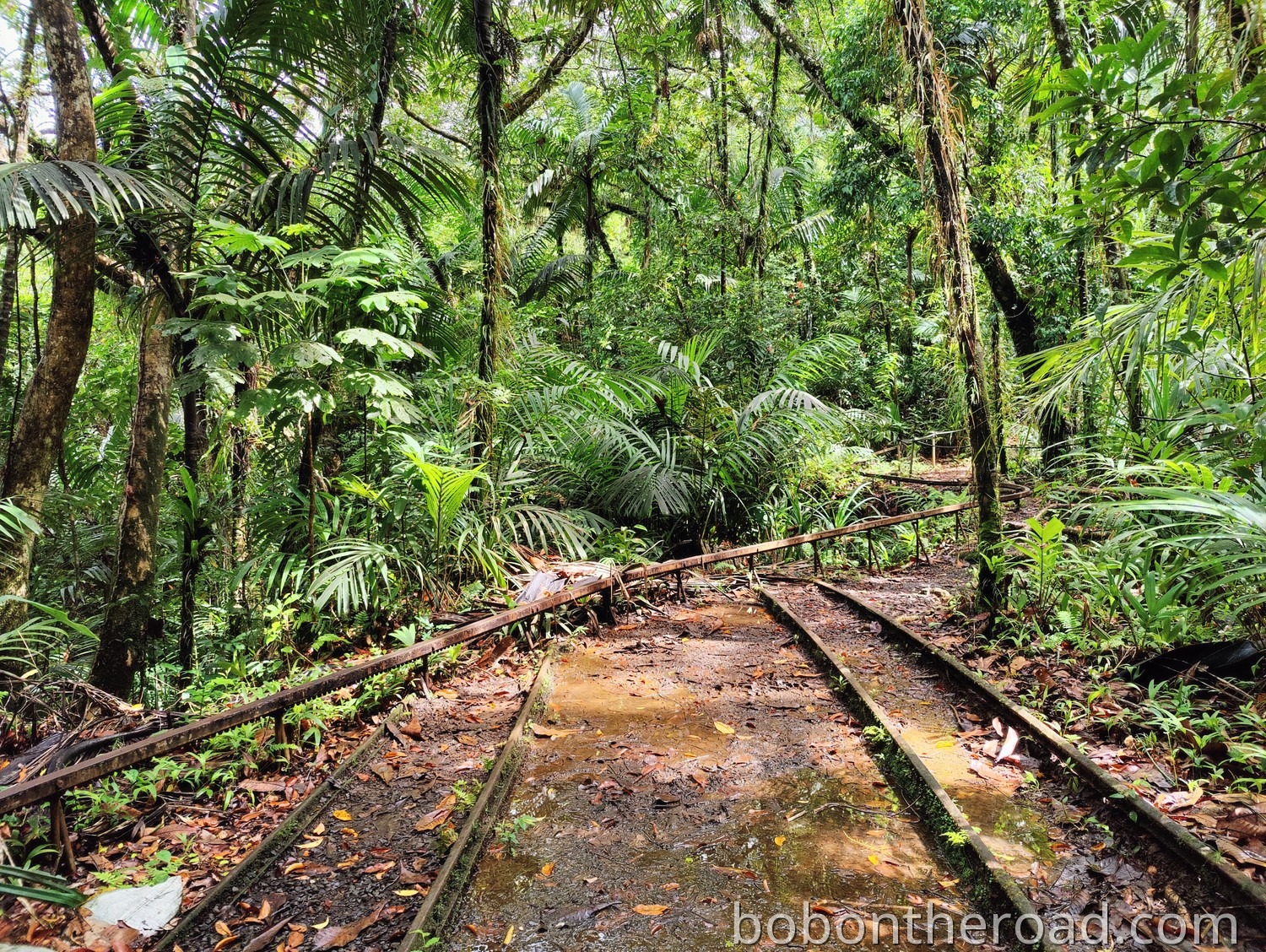
On the way to the waterfall you pass old railway tracks. You can follow them for a few hundred meters through the dense jungle until you reach an old locomotive. It is a relic from the time when ore was mined in Palau.
Badrulchau stone monoliths
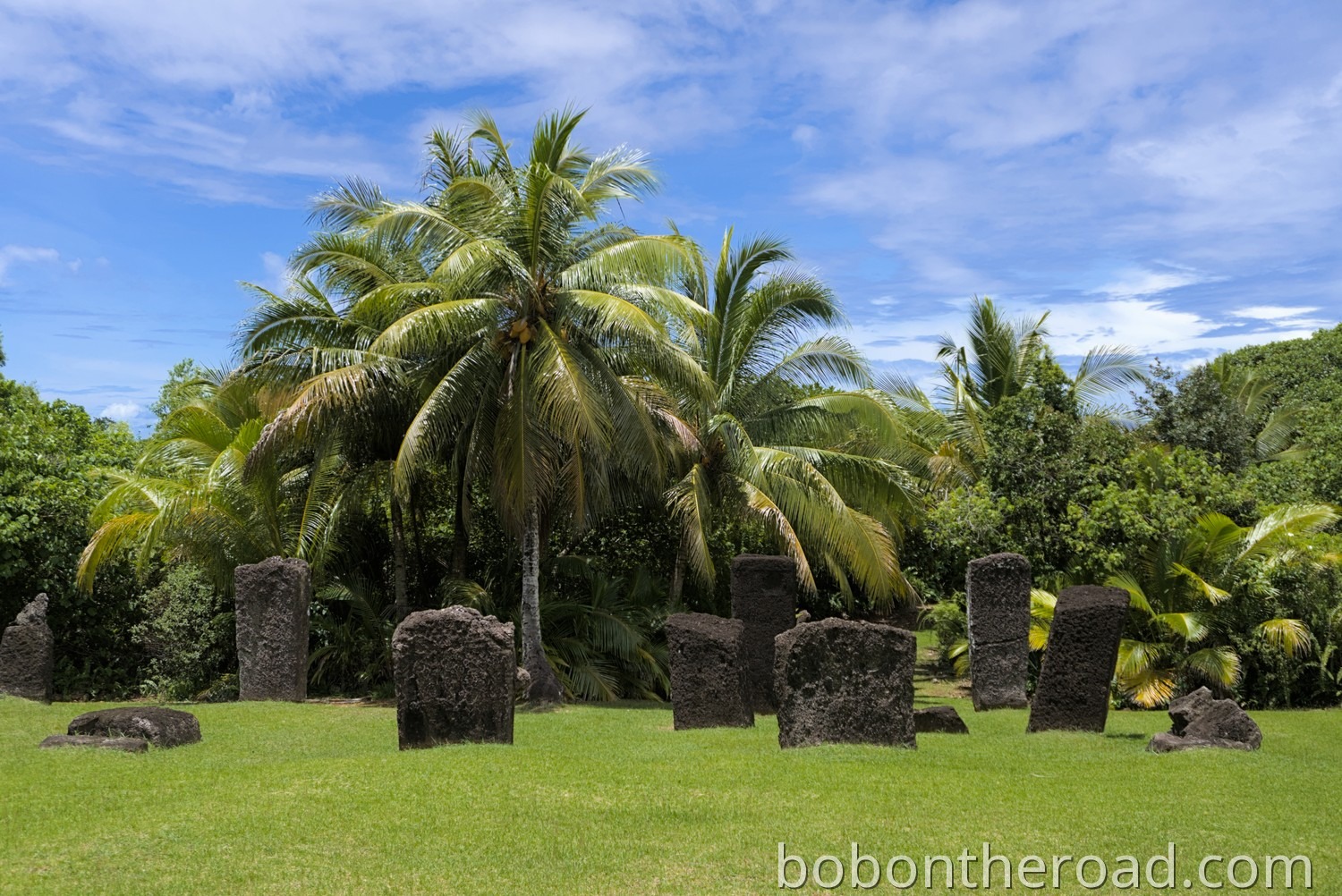
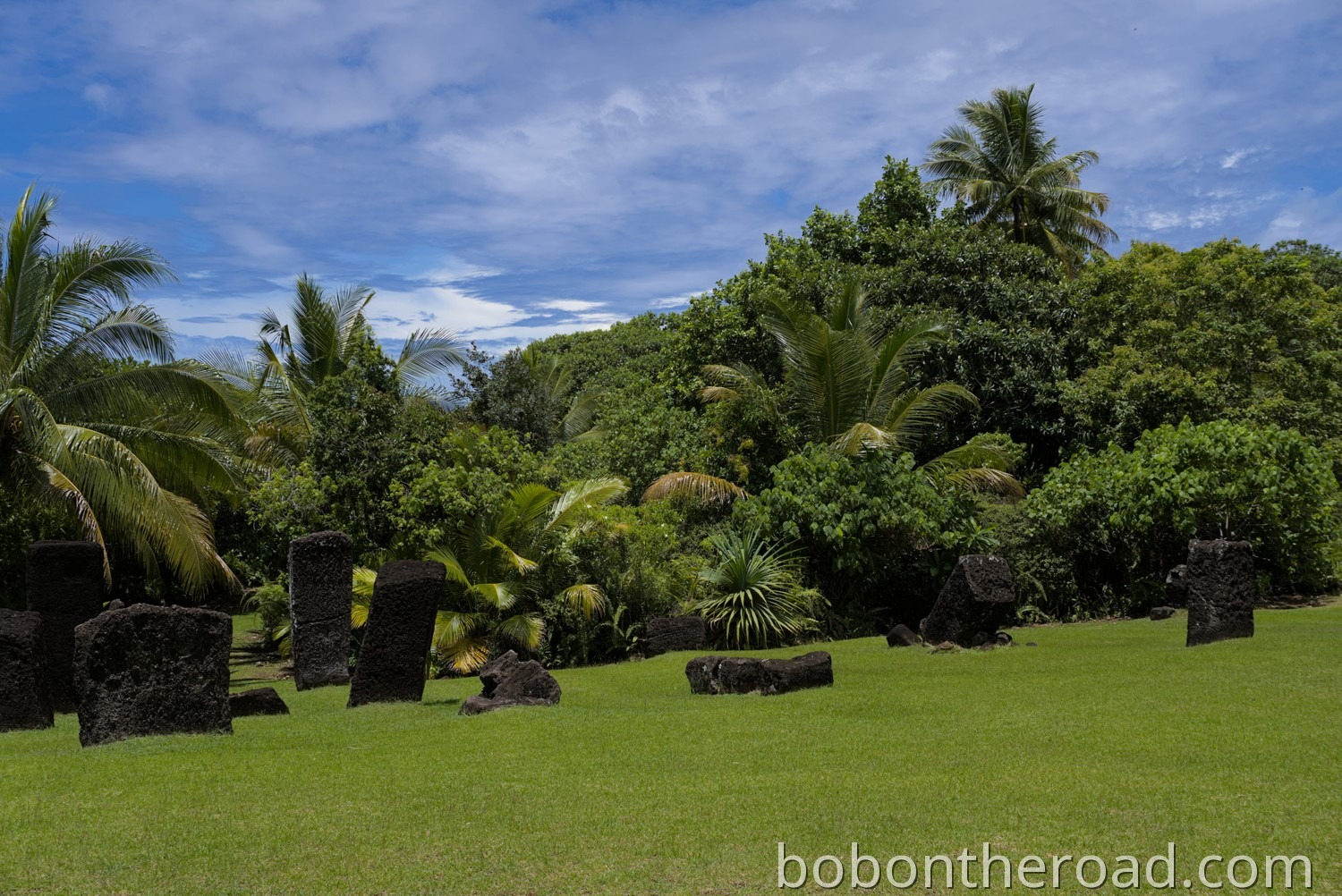
In the far north of Palau are the Badrulchau stone monoliths, one of the country’s most mysterious structures. The site consists of around 40 basalt stones, several meters tall. It was built roughly between 500 BC and 200 AD, making it more than 1,500 years older than Nan Madol on Pohnpei.
To this day, the exact purpose of the site is unclear. There are theories about ritual ceremonies and ancestor worship, but also about astronomical functions to track sun positions and seasons.
Entrance fee: 5 USD per person
Peleliu
Peleliu is an island south of the Rock Islands. In 1944 it was the scene of one of the fiercest battles of the Pacific War, which makes it especially popular with history enthusiasts. Day trips to Peleliu can be booked from Koror.
Unfortunately, we did not visit Peleliu due to lack of time.
Stone Carving
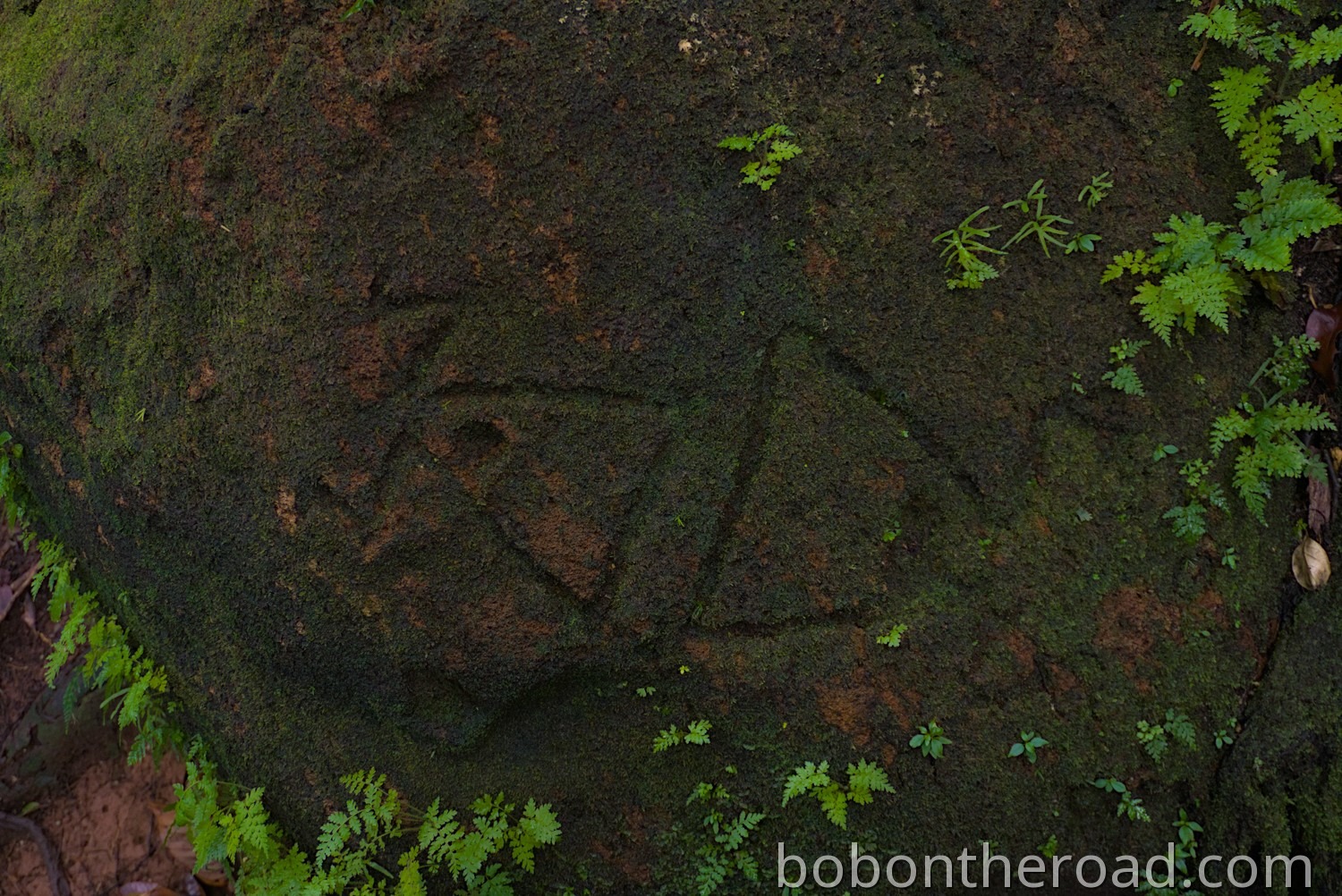
On the way to the monoliths you pass Palau’s oldest rock carvings. Their age cannot be dated precisely and is therefore unknown. The figures likely depict ancestors or clan founders, because large heads symbolize power and knowledge.
Japanese WWII lighthouse
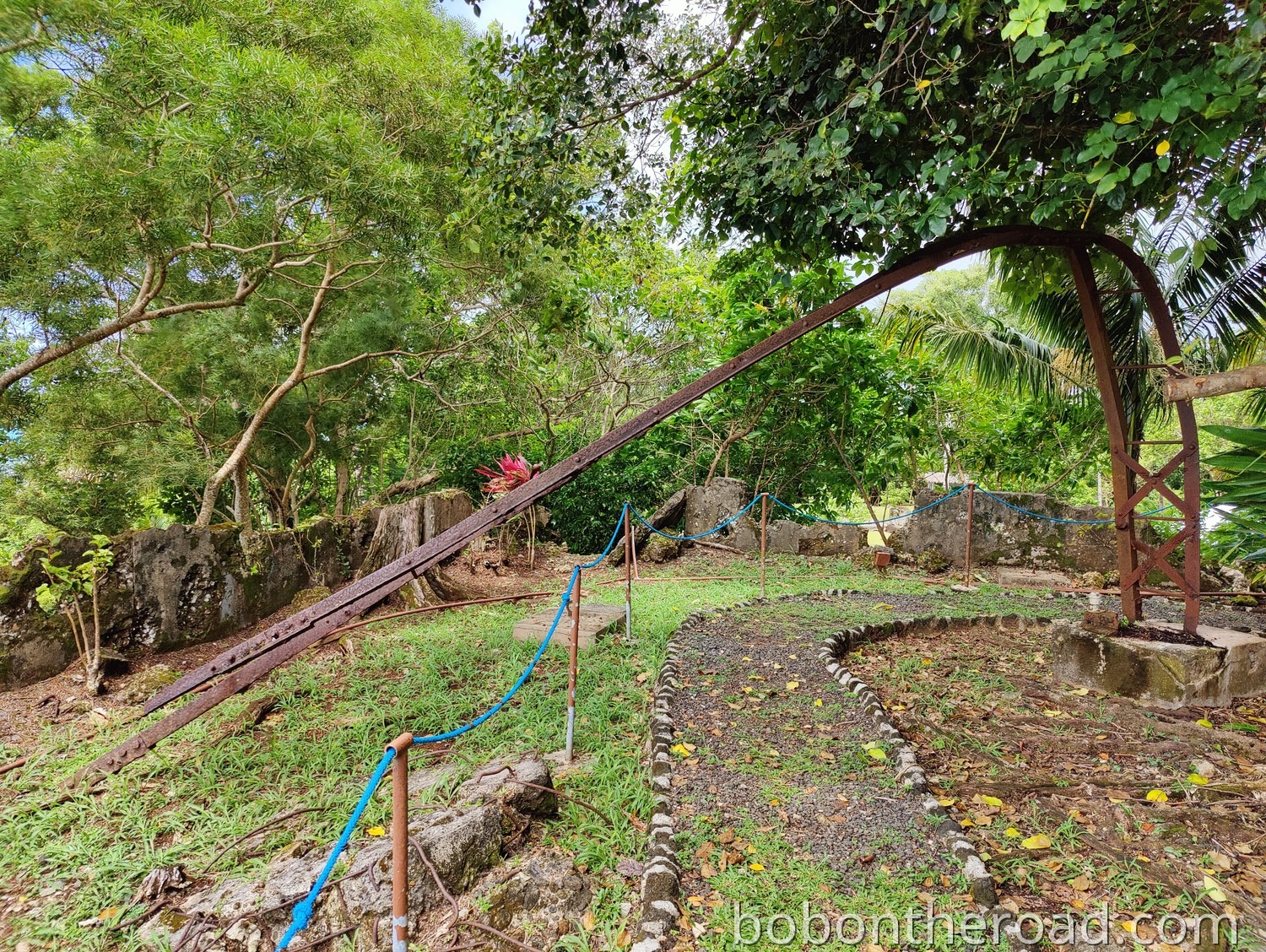
In the far north of Palau are the ruins of a Japanese lighthouse from World War II. The lighthouse is at risk of collapsing and heavily overgrown. In our opinion, it is not worth visiting.
WWII communications center
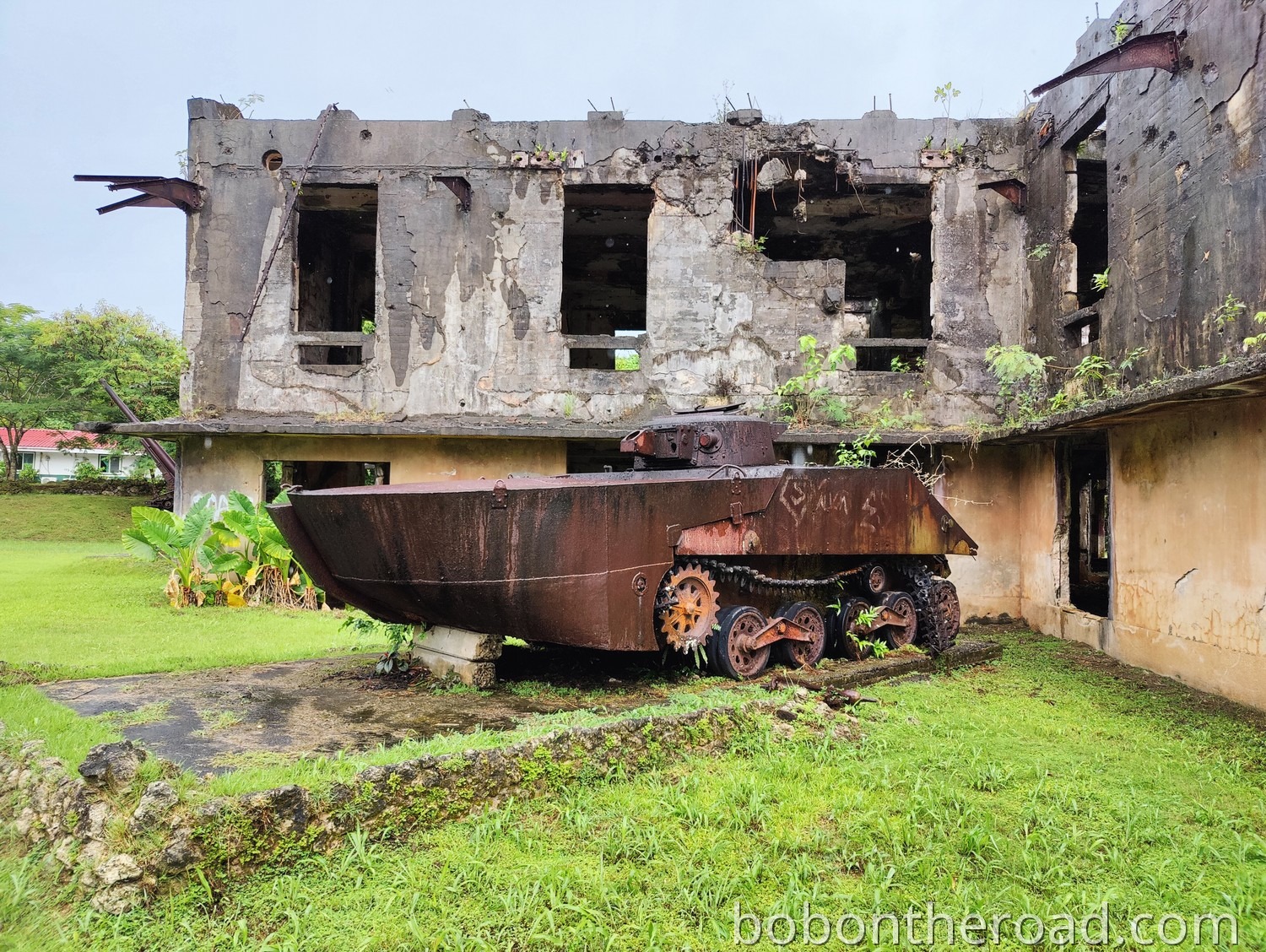
South of the airport there is an old Japanese military communications center from World War II. The site is not a museum, but an abandoned battlefield that is slowly but surely being reclaimed by the jungle.
Car wrecks
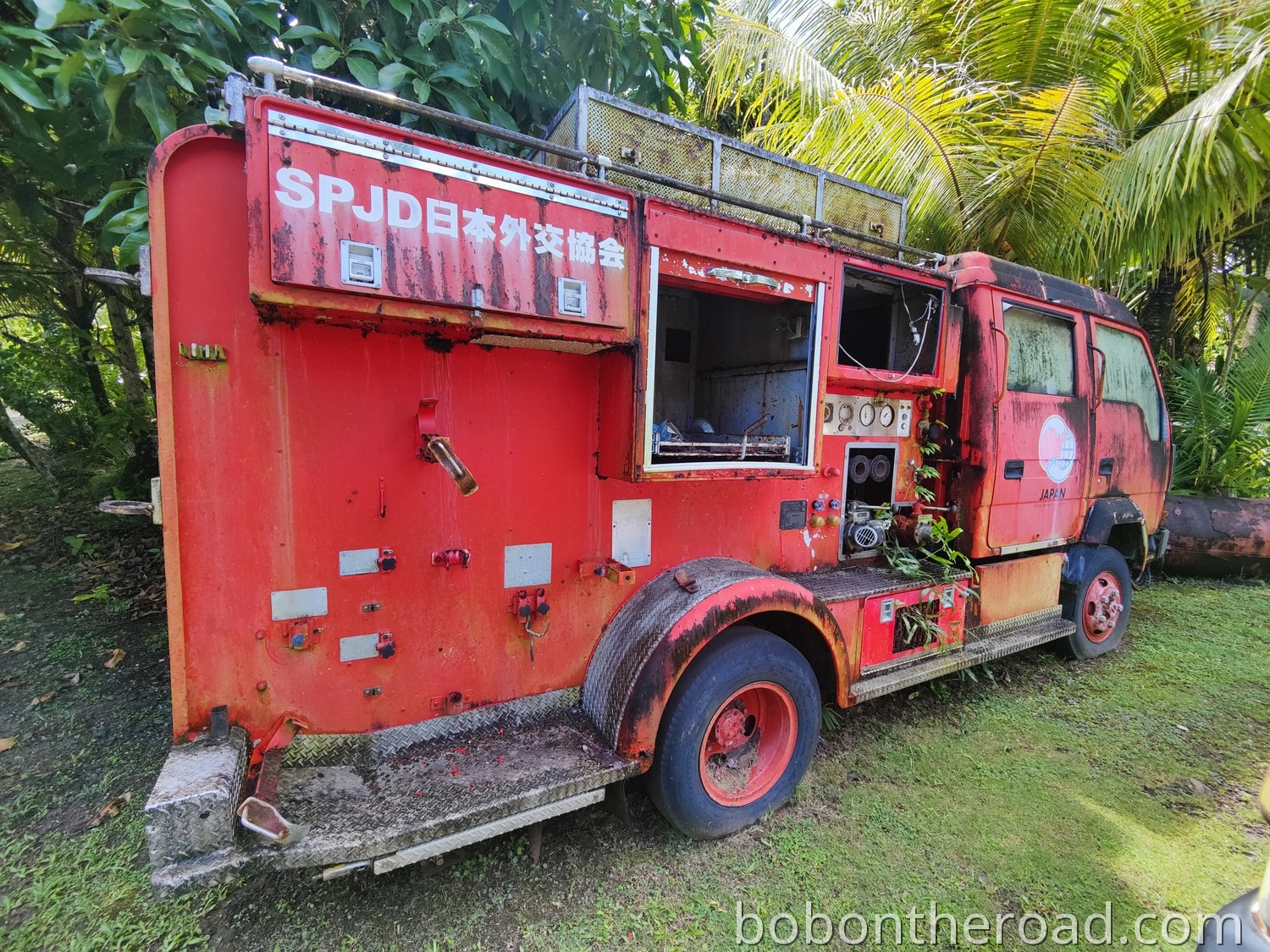
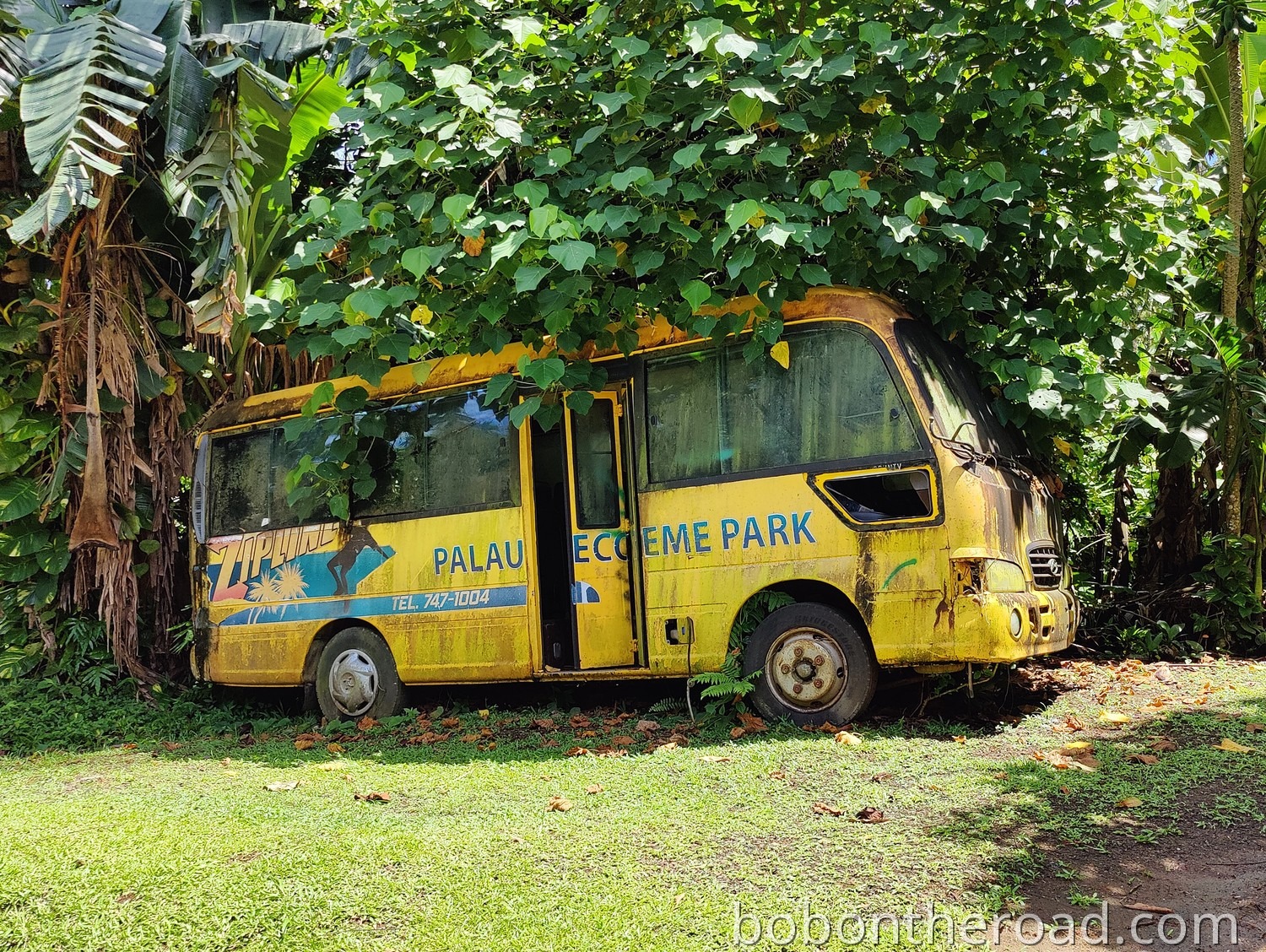
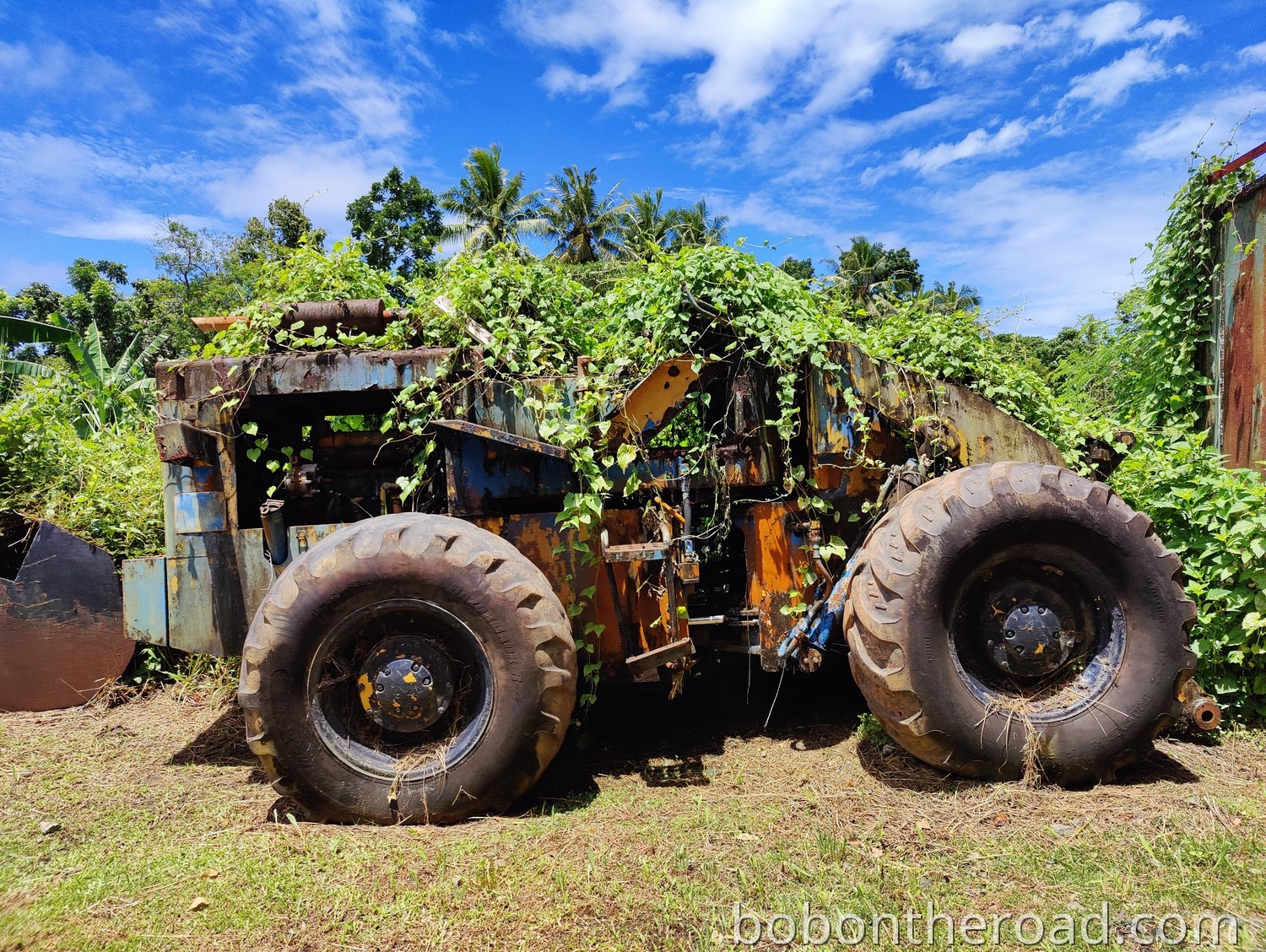
In Palau you will see many car wrecks. As on most islands in Micronesia, the island is the final resting place for many vehicles. Once they arrive, they never leave Palau again. But we think some of the cars make great photo subjects.
Right next to the Capitol, for example, there is an old fire truck.
In Ngetbong we also found an old tour bus and an old wheel loader.
Are drones allowed?
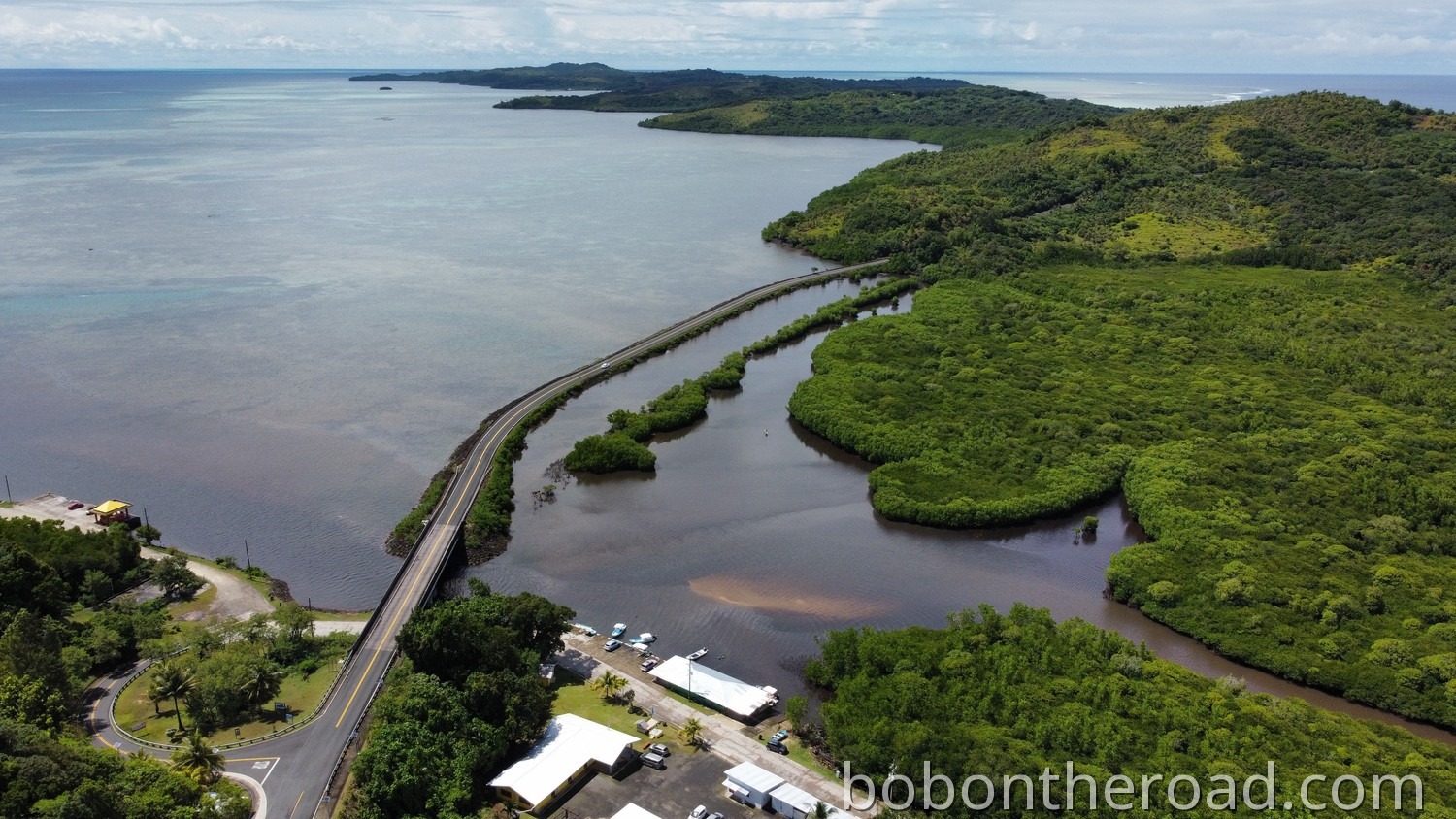
Drones are allowed in Palau. However, the drone must be registered free of charge before arrival. You can find the registration form here.
Is Palau expensive?
Palau is an expensive destination for travelers. Getting there is a long journey and often costly, and many things on the islands are relatively expensive as well. There are a few cheaper hostels, but in most cases a night costs more than 150 USD. On top of that, you need permits for many activities, for example 50 USD for the Rock Islands and 50 USD for Jellyfish Lake. Also many sights charge entrance fees.
How much time should you plan?
Palau offers plenty of activities. If you want to explore the main island at a relaxed pace by rental car, you should plan two days, but in a pinch you can do it in one.
The key factor is how much time you want to spend in the Rocky Islands. There are countless diving and snorkeling spots, and different operators visit different locations. You can easily book two to three day tours and discover new spots each time. The Rocky Islands permit is valid for five days. There is also the option to do day trips to Peleliu.
Since some flight connections operate only once per week, it is easy to stay in Palau for a full week. We only had two full days, which is enough to see the absolute highlights.
Important notes
Every air traveler has to pay an environmental fee of 100 USD, which is usually already included in your flight ticket to Palau.
Palau places a strong emphasis on environmental protection, especially the protection of coral reefs and marine life. That’s why many sunscreens are banned in Palau, because they contain ingredients that can damage corals.
We didn’t have sunscreen with us, but our luggage was searched on arrival, and sunscreen would have been confiscated.
At many sights, in addition to the entrance fee, there is also a drone fee of 50 USD if you want to fly a drone.


Comments
No comments yet. Be the first!
Leave a Comment